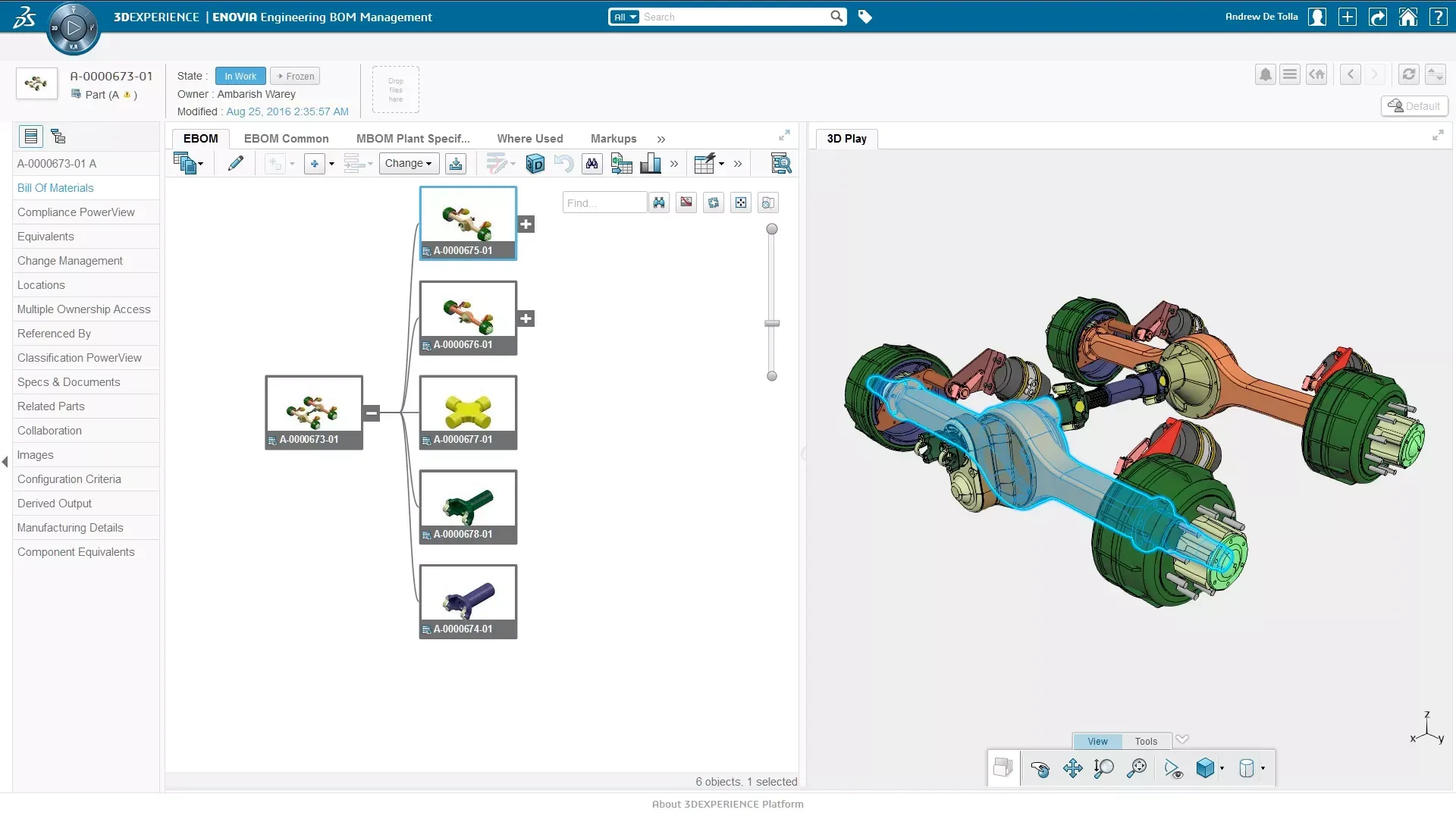
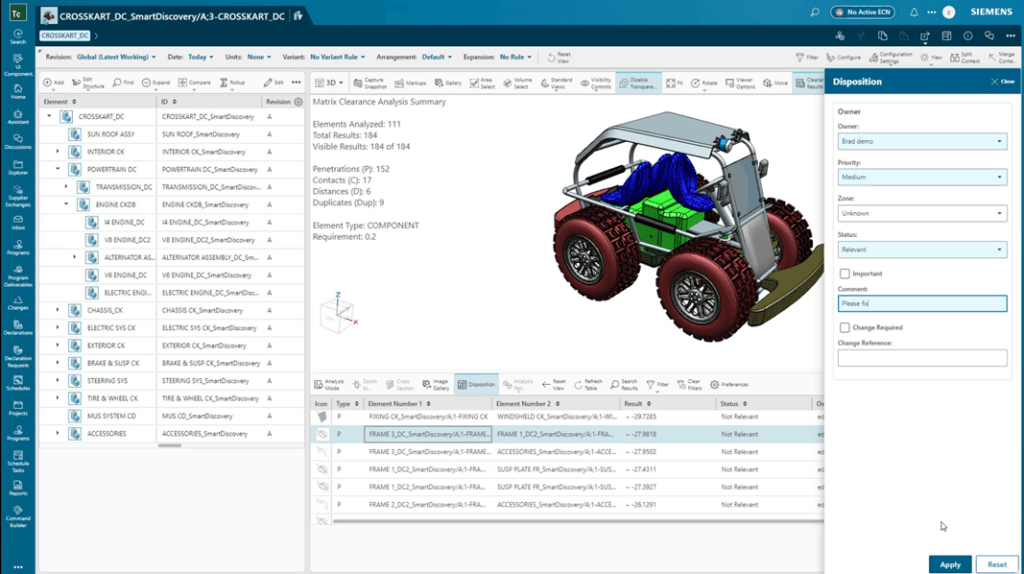
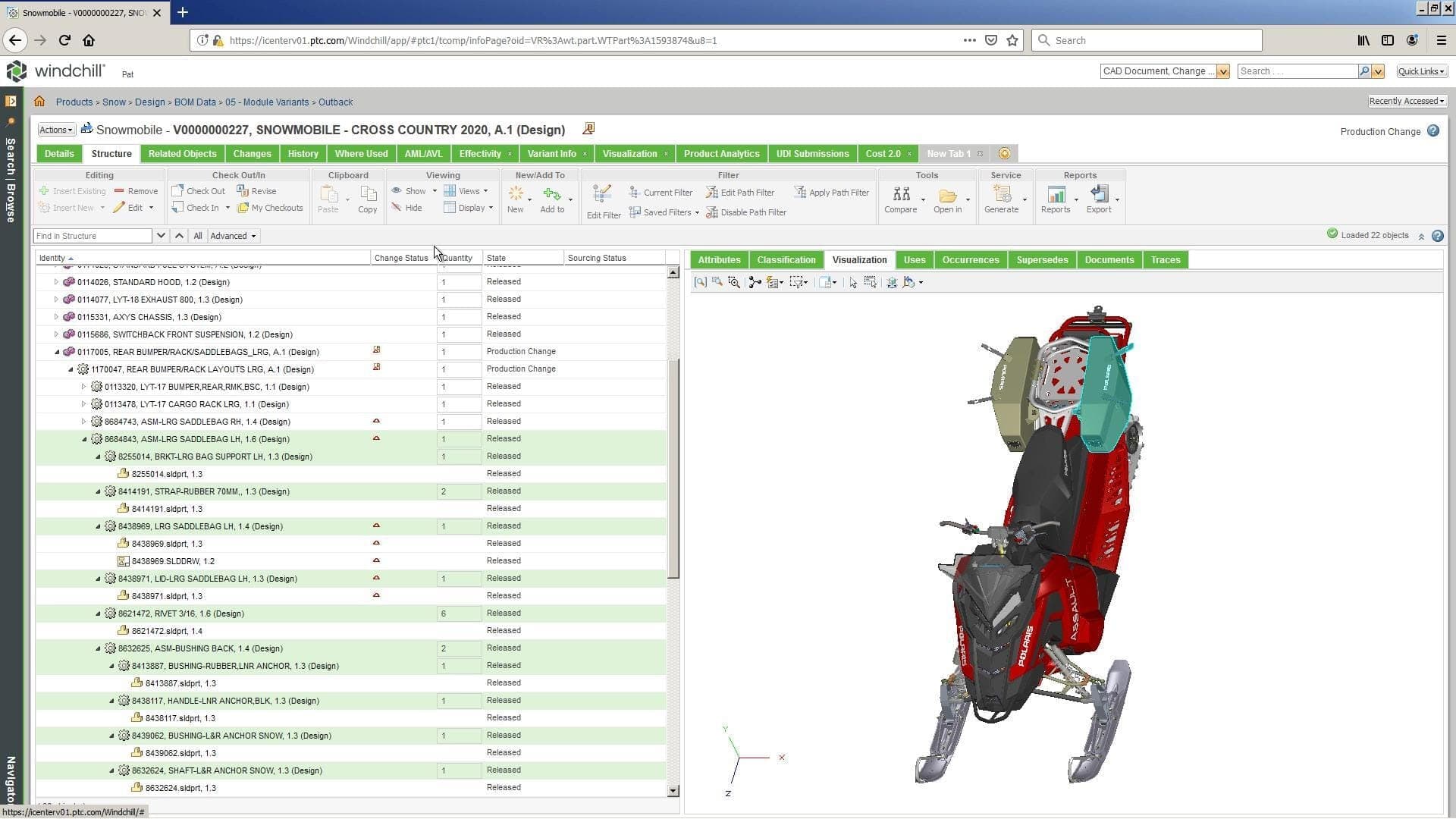
Overview of Vendor PLM Histories
In the realm of Product Lifecycle Management (PLM), vendor histories play a critical role in shaping the evolution of PLM systems and their integration into enterprise operations. This overview delves into the definition, historical context, key concepts, current trends, and practical relevance to PLM practitioners.
Definition
Vendor PLM Histories refer to the evolution and development trajectories of specific PLM software solutions provided by various vendors. These histories highlight how these tools have transformed from traditional Product Data Management (PDM) systems into comprehensive PLM platforms that support an entire product lifecycle, including design, manufacturing, service, and disposal.
Historical Context
The journey from PDM to modern PLM began in the late 1980s with the advent of Computer-Aided Design (CAD) tools. Early PDM systems were primarily focused on managing product data within a single department or project. The first significant evolution came with the integration of CAD and document management, enabling better collaboration among design teams.
In the early 2000s, PLM systems started to expand beyond design departments, incorporating supply chain management, manufacturing processes, and customer support. This expansion was driven by increasing globalization and the need for companies to manage their products more holistically across all organizational functions.
Key Concepts
- PDM vs. PLM: Historically, PDM focused on managing product data within a single department, whereas PLM encompasses broader aspects of the product lifecycle, including supply chain management, manufacturing processes, and customer service.
- Enterprise Backbone: Modern PLM systems serve as an enterprise backbone, integrating disparate systems such as CAD, ERP, and CRM to provide a unified view of the product lifecycle.
- Digital Twin: Digital twin technology has emerged as a critical component in modern PLM, allowing for real-time monitoring and optimization of physical products through digital models.
Current Trends
- Cloud-Based Solutions: Cloud technology is reshaping how PLM solutions are delivered, offering greater flexibility and scalability compared to on-premises installations.
- AI & Machine Learning: AI-driven tools enhance product design and manufacturing processes by providing predictive insights and automating routine tasks.
- Sustainability Focus: With increasing emphasis on environmental responsibility, PLM vendors are developing features that help companies track material usage, energy consumption, and other sustainability metrics throughout the product lifecycle.
Relevance to PLM Practitioners
Understanding vendor PLM histories is crucial for engineers and practitioners in several ways:
- Vendor Selection: Knowledge of a vendor’s historical development can inform choices about which PLM system best fits an organization's current needs and future growth plans.
- Implementation Strategy: Understanding the evolution of PLM from PDM helps tailor implementation strategies that align with existing workflows and technological advancements.
- Integration Capabilities: Familiarity with how vendors have integrated various aspects of the product lifecycle can guide decisions on interoperability and data exchange standards.
In summary, the vendor PLM histories provide essential insights into the development and application of PLM systems. As technology continues to evolve, understanding these histories is crucial for practitioners looking to leverage PLM effectively in today’s complex business environments.