Overview of Vendor Analysis in the Context of Product Lifecycle Management (PLM) and Engineering
Definition
Vendor analysis in the context of Product Lifecycle Management (PLM) involves evaluating different software vendors and their offerings to determine which best fit a company's specific needs, requirements, and strategic goals. This process is crucial for selecting the most suitable PLM system or platform that will support product development processes effectively.
History
The history of vendor analysis in PLM dates back to the early 1980s when computer-aided design (CAD) systems began integrating with enterprise resource planning (ERP) and other systems. Over time, these systems evolved into comprehensive PLM platforms designed for managing all aspects of product development from concept to end-of-life.
In the late 1990s and early 2000s, leading vendors such as PTC, IBM Rational, and others started offering integrated PLM solutions that addressed the increasing complexity in product development processes. This era saw a shift towards modular, customizable systems that could be tailored to meet diverse industry needs.
Key Concepts
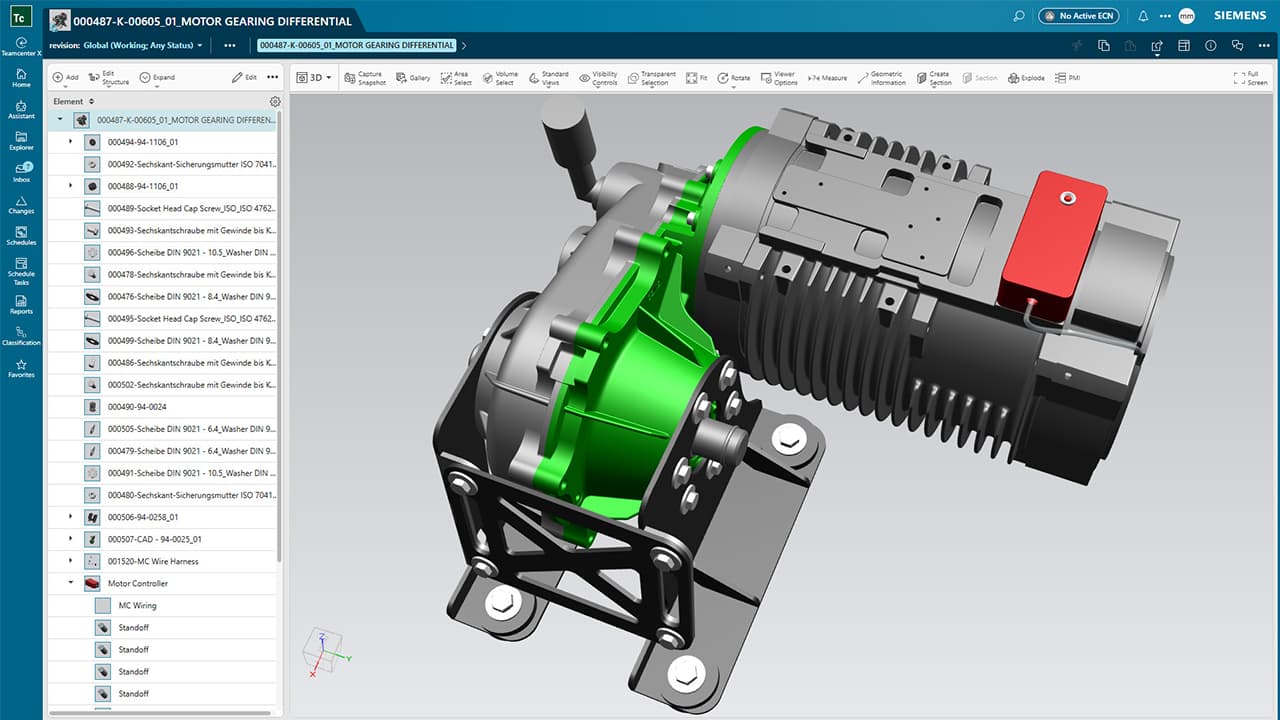
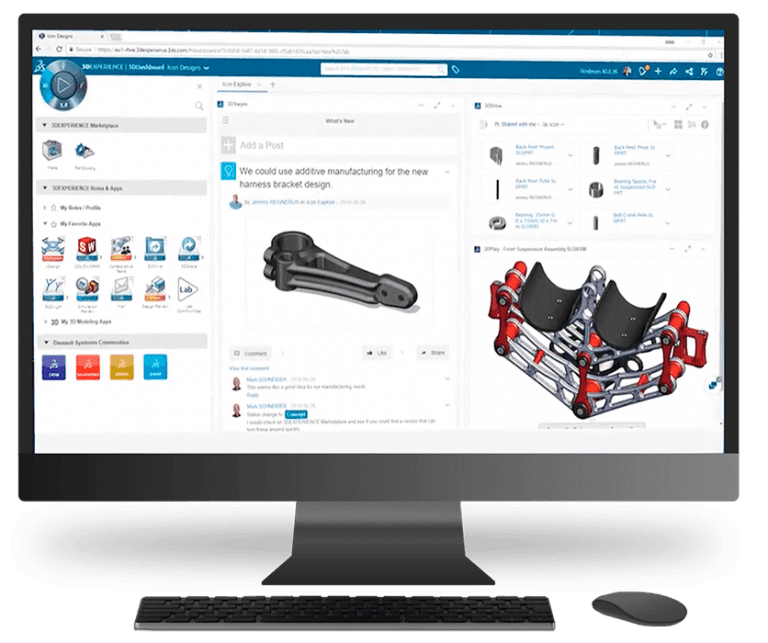
- Integrated vs Modular Platforms: Integrated platforms like 3DEXPERIENCE offer end-to-end solutions with tight integration between design, engineering, manufacturing, and supply chain management. In contrast, modular platforms such as Windchill or Teamcenter provide more flexible, component-based systems that can be tailored to fit specific workflows.
- Scalability and Flexibility: Large manufacturers require highly scalable PLM systems capable of handling complex, multi-site operations. Smaller companies might prioritize flexibility in choosing components based on their unique processes and requirements.
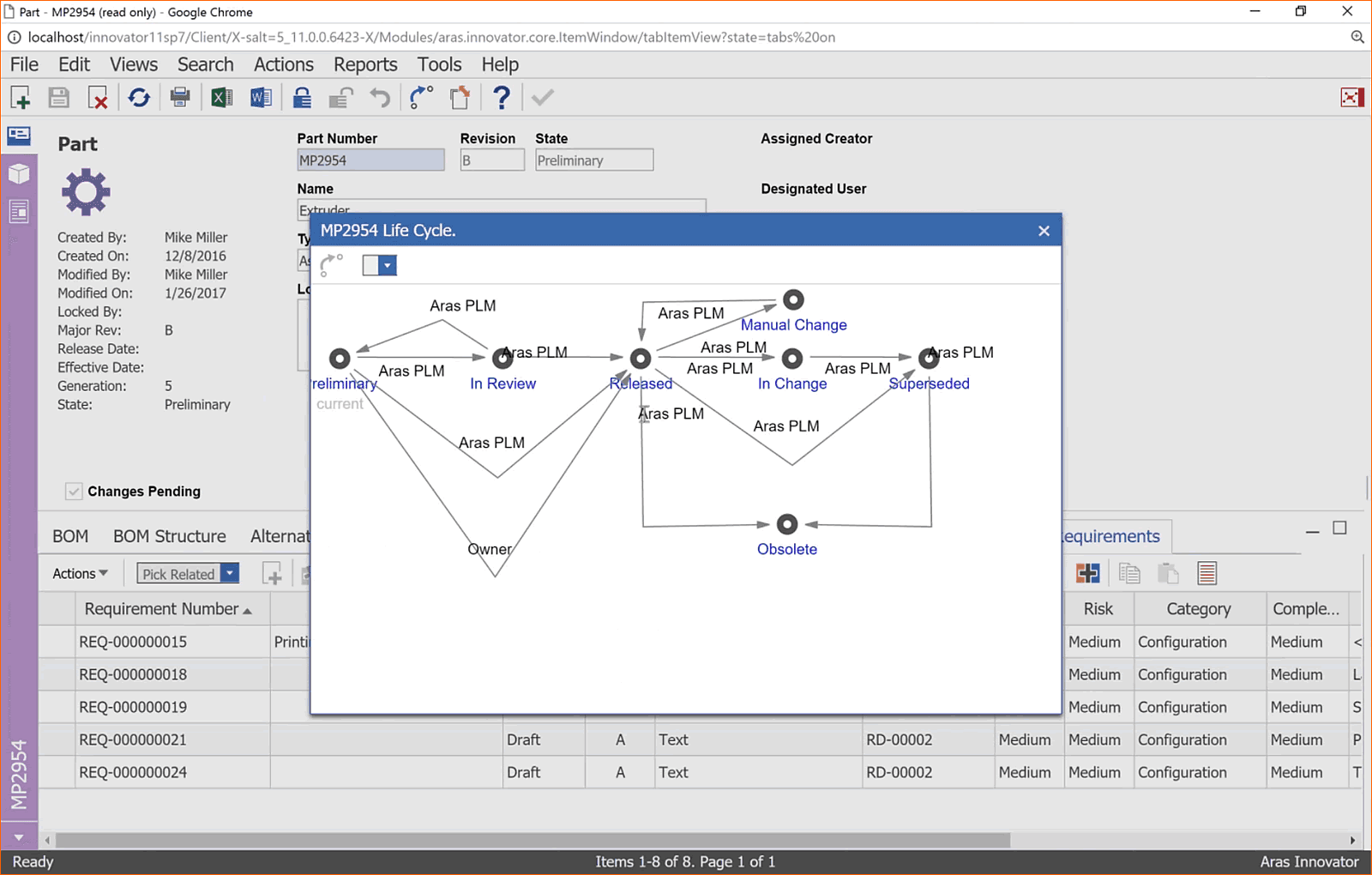
- Customization and Extensibility: The ability to customize and extend the platform with third-party tools or custom development is a key factor for many organizations. Vendors like Aras offer highly customizable platforms that can be integrated seamlessly into existing IT infrastructures.
Current Trends
- Cloud Adoption: Increasing numbers of enterprises are adopting cloud-based PLM solutions due to their scalability, cost-effectiveness, and ease of deployment.
- AI and Automation: Integration of artificial intelligence (AI) and machine learning (ML) technologies is enhancing decision-making capabilities by providing predictive analytics, automated workflows, and improved data insights.
- Digital Twin Technology: The use of digital twins for simulating product behavior throughout its lifecycle has become more prevalent, offering real-time monitoring and optimization.
Relevance to PLM Practitioners
For PLM practitioners, vendor analysis is essential for making informed decisions that align with organizational goals and address current challenges in product development. Understanding the strengths and limitations of various platforms helps in selecting solutions that enhance collaboration, improve efficiency, and drive innovation.
Examples such as 3DEXPERIENCE vs Windchill, Aras vs Teamcenter, and Windchill vs Teamcenter comparisons highlight the differences in approach, functionality, and suitability for different business models. These insights enable PLM professionals to choose the most appropriate platform based on factors like project scope, team size, regulatory compliance, and long-term strategic objectives.
By leveraging comprehensive vendor analysis, organizations can maximize their investment in PLM systems, ensuring that they remain competitive in an ever-evolving technological landscape.